Impact
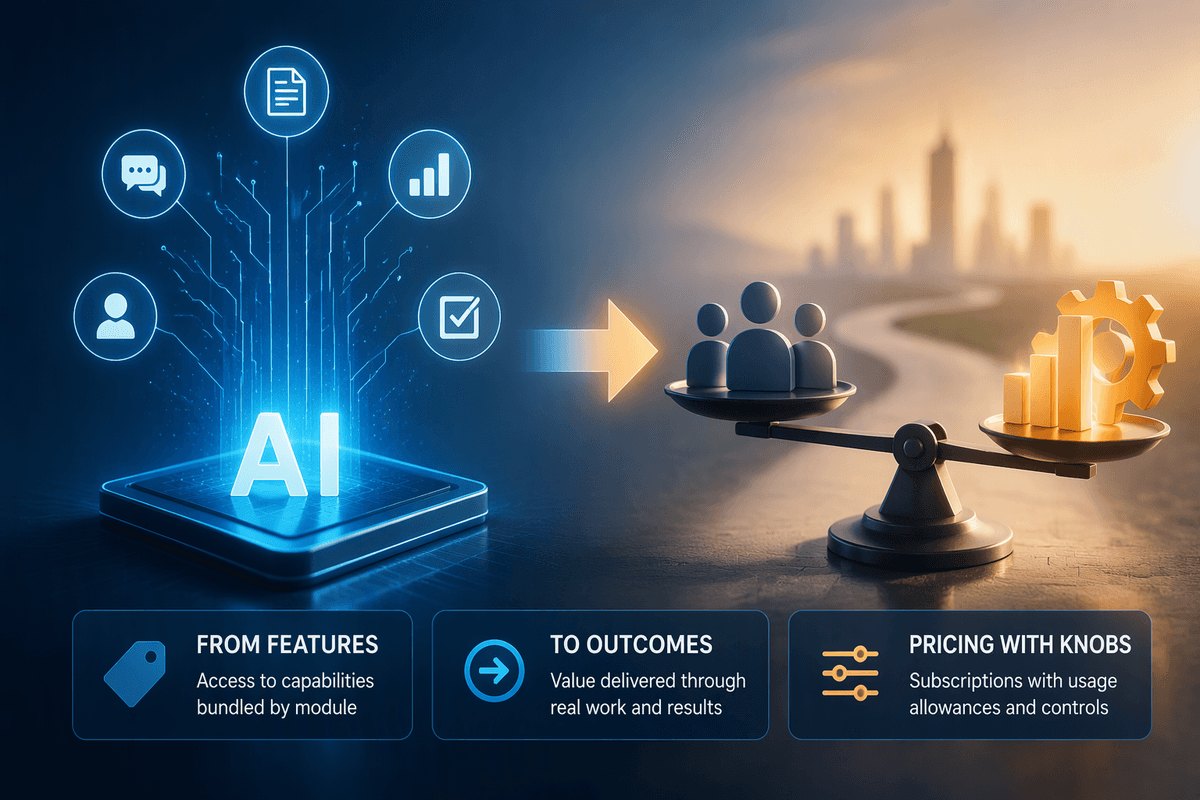
What AI Adoption Means for the Future of Software Subscription Pricing
Explore how AI adoption reshapes software subscription pricing—moving beyond per-seat toward usage, hybrid, and outcome-based models, with clearer renewal questions.
Technologies
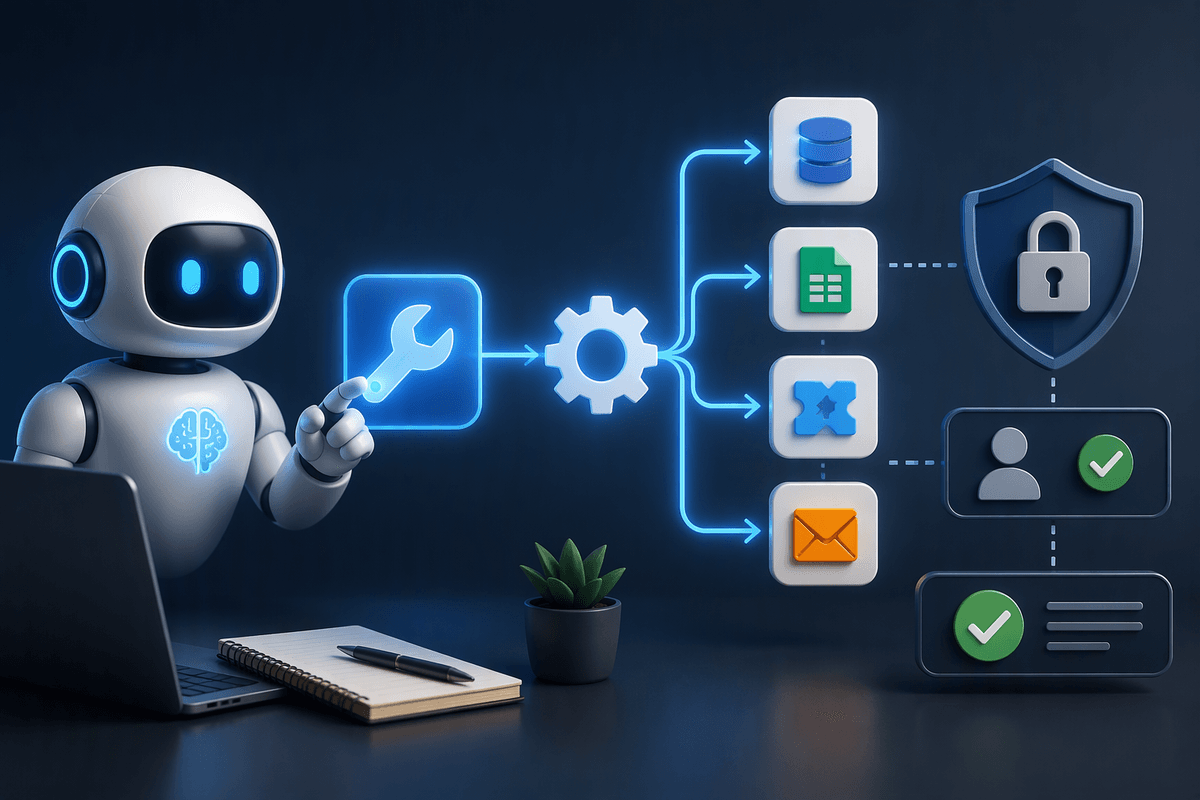
How AI Tool Calling Works and Why It Matters for Automated Workflows
Learn how AI tool calling works, when it beats prompting, and how to design safe, reliable automated workflows with schemas, permissions, retries, and observability.
Technologies
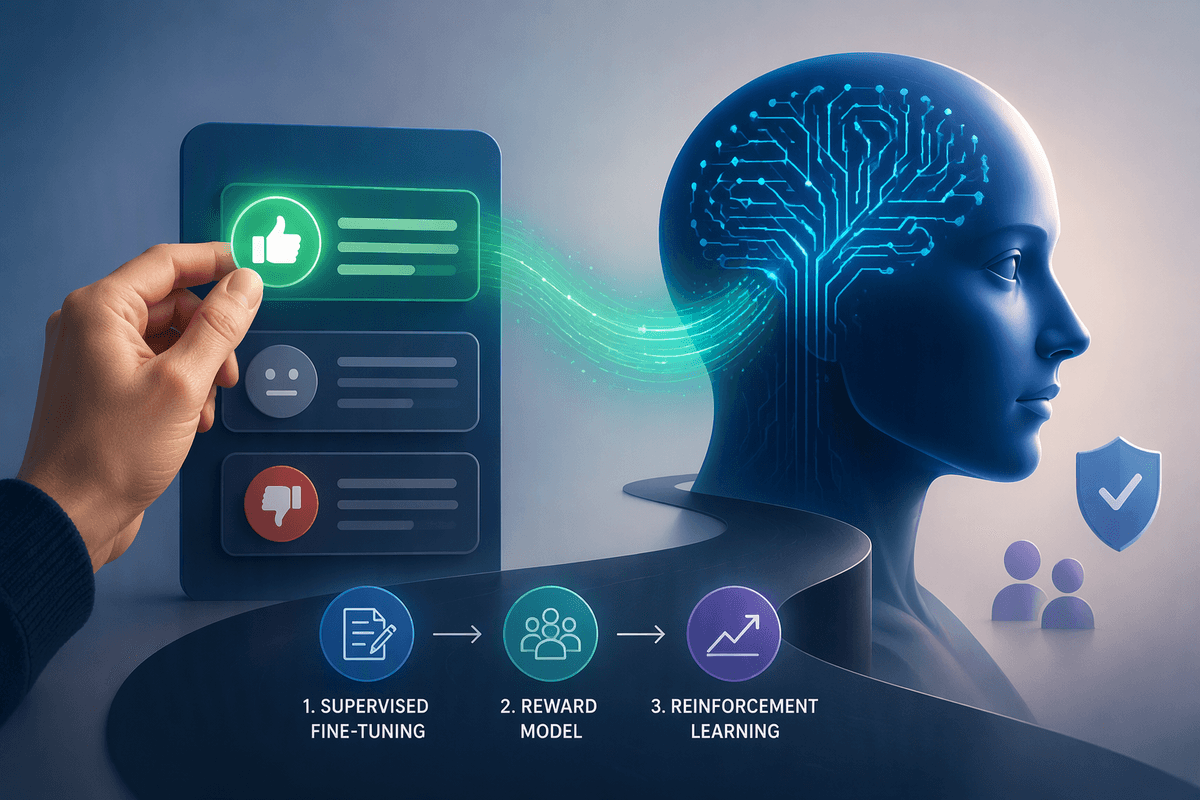
How Reinforcement Learning From Human Feedback Shapes AI Behavior
Learn how reinforcement learning from human feedback (RLHF) shapes AI behavior, from the three-step pipeline to common failures like refusals and reward hacking.
Technologies
How Model Distillation Creates Smaller, More Efficient AI Models
Learn how model distillation transfers a large teacher model’s behavior to a smaller student, reducing inference cost and latency while managing quality and safety trade-offs.

Impact
How AI Is Changing Customer Expectations for Online Services
Learn how AI is changing customer expectations for online services: instant answers, safe personalization, self-serve resolution, proactive support, and consistent handoffs.
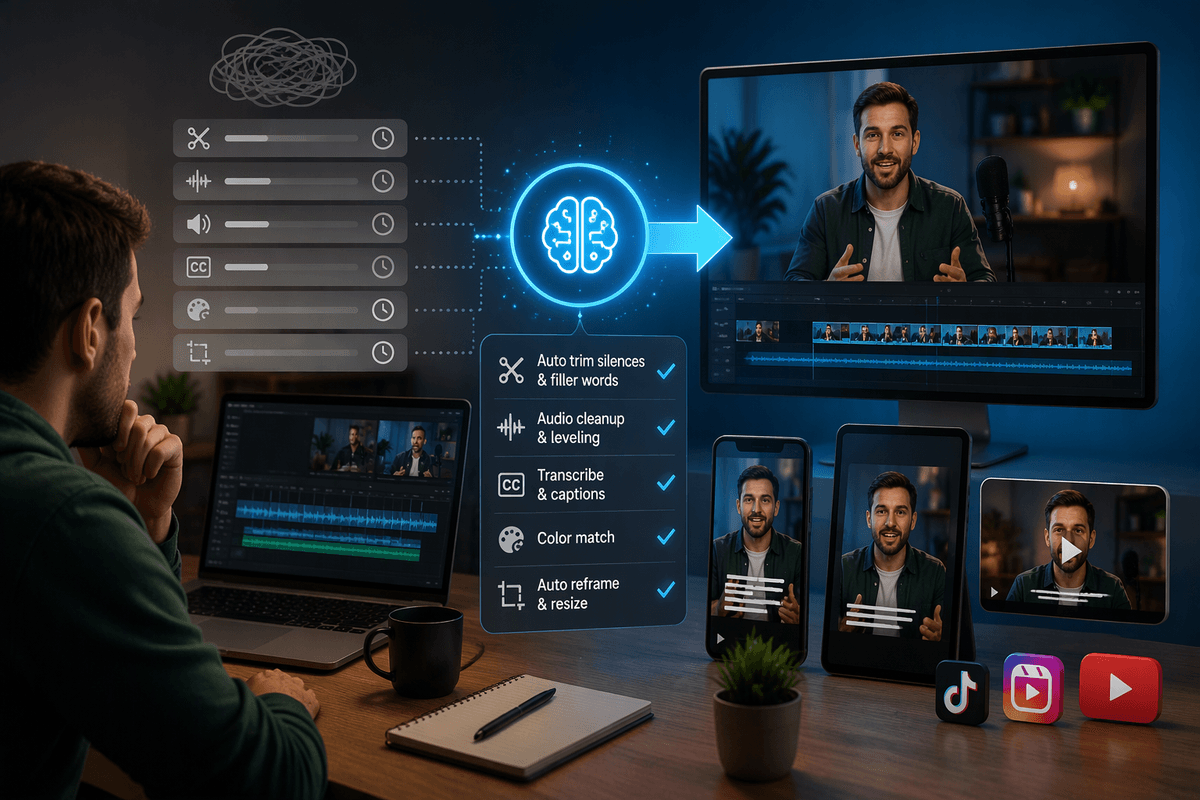
Applications
How AI Video Editing Tools Reduce the Time Spent on Repetitive Tasks
Learn how AI video editing tools cut repetitive work like silence trimming, audio cleanup, captions, transcripts, and auto-reframing—without losing control.

Impact
Personalized Digital Experiences Can Narrow What Users Discover
Learn how personalization systems narrow discovery by optimizing for clicks, why users lose curiosity and surprise, and how to design for variety without losing relevance.

Technologies
What Is a State Space Model, and How Does It Differ From a Transformer?
Learn what a state space model is and how it differs from a transformer, focusing on memory, compute, access patterns, and long-context inference trade-offs.
The briefing
Stories shaping the conversation
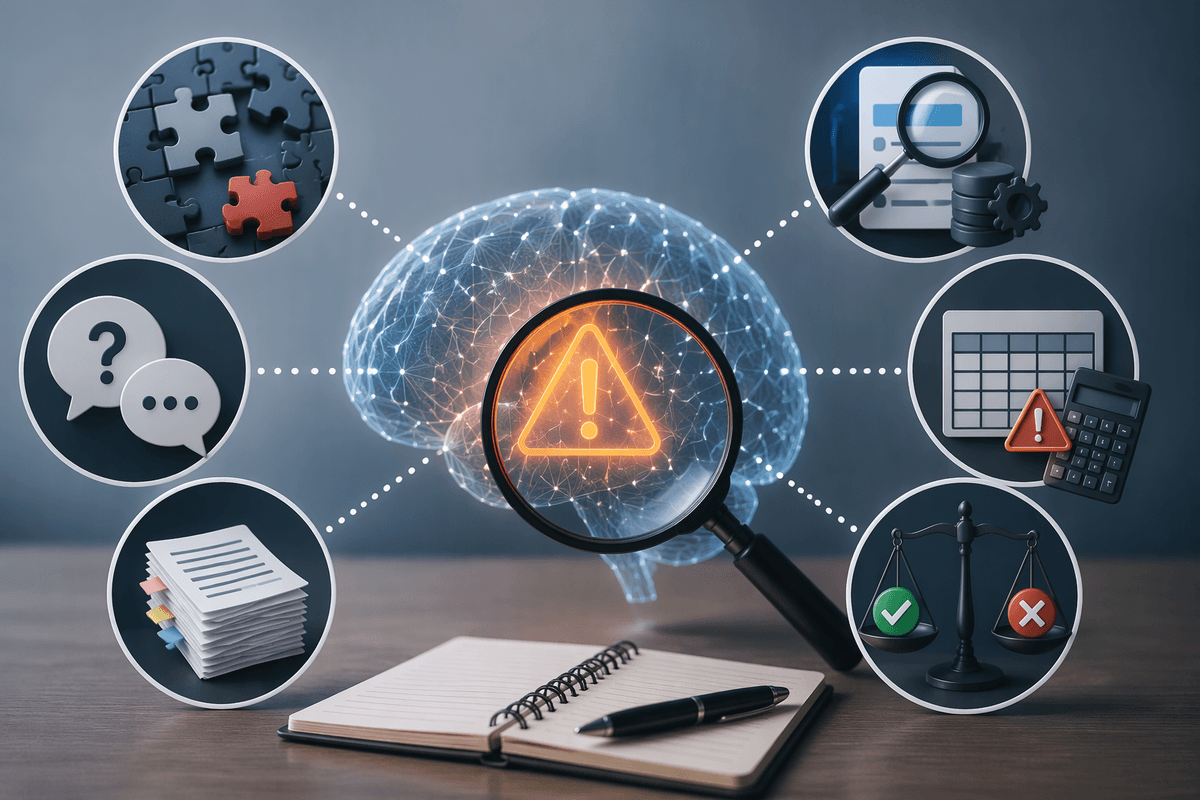
Sources of Error in Large Language Model Responses
Understand sources of error in LLM responses: training data gaps, hallucinations, prompt/context pitfalls, and retrieval/tool failures—plus safeguards.
Voice Cloning Technology Raises New Questions About Consent and Misuse
Voice cloning makes it easy to impersonate trusted voices. Learn consent risks, common scam scenarios, and verification steps to prevent misuse.

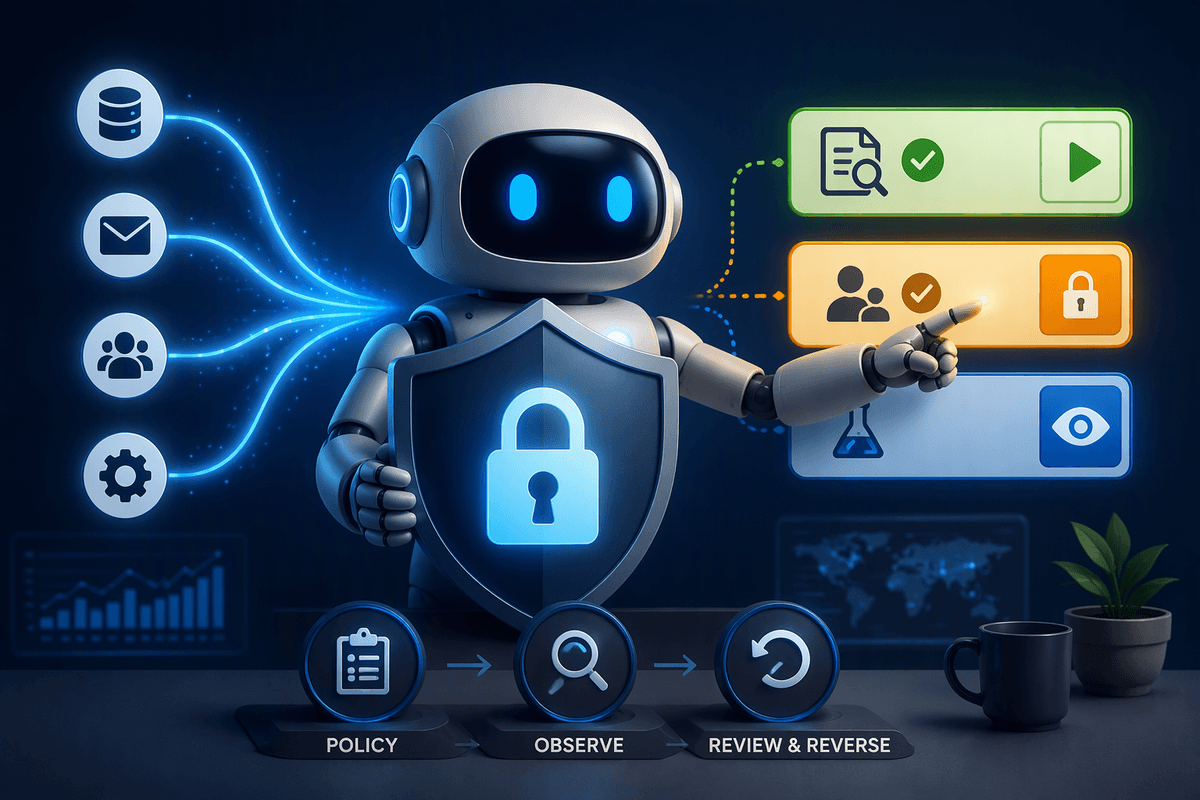
Giving AI Agents Access to External Tools Without Losing Control
Learn how to give AI agents tool access safely with scoped permissions, gated execution, safe-by-default APIs, policy guardrails, auditing, and rollback.
AI 3D Modeling Is Reshaping Creative Work
Learn how AI 3D modeling speeds concept drafts, where quality breaks (topology, UVs), how to keep style consistent, and choose pipelines without lock-in.

Why Are AI Deepfakes Harder to Detect?
Learn why AI deepfakes are harder to detect today—better models, editing, compression, and an arms race with detectors—and what verification steps help.

Why Can’t You Log In to ChatGPT?
Troubleshoot why you can’t log in to ChatGPT: identify the error, check outages, use the right sign-in method, fix 2FA/email, browser cookies, and network issues.

Advertisement
Ideas worth your time
Distinct voices and practical perspectives from across our newsroom.
Can ChatGPT Remove Image Backgrounds?
Learn when ChatGPT can remove image backgrounds, what affects cutout quality, and workflows for transparent PNGs, clean edges, and common fixes.
Triston MartinHow AI Code Migration Affects Developers
Learn how AI code migration changes developer work—from faster refactors to heavier review and testing—and what risks and success metrics to watch.
Georgia VincentAI Legal Citations Need Careful Verification
Learn why AI legal citations can look correct but be wrong, and use a repeatable workflow to verify cases, quotes, and treatment before relying.
Madison EvansUsing Generative AI to Explore Architectural Design Concepts
Learn how to use generative AI in early architectural design: set constraints, choose the right tools, write prompts for variation, and turn images into testable moves.
Jennifer RedmondCould AI Destabilize Financial Markets Through Automated Trading?
Explores whether AI automated trading can destabilize financial markets, how feedback loops and liquidity shocks cause flash crashes, and what guardrails help prevent spirals.
Paula MillerHow AI Avatars Create More Realistic Digital Conversations
Learn how AI avatars make digital conversations feel real using better timing, prosody, turn-taking, facial cues, memory, and safe deployment practices.
Madison EvansMore from the newsroom
Continue exploring

Basics Theory
Predicting Viral Evolution With AI Depends on More Than Pattern Recognition
AI for predicting viral evolution needs more than pattern recognition: it must account for biased data, missing context, biological fitness, and shifting selection pressures.
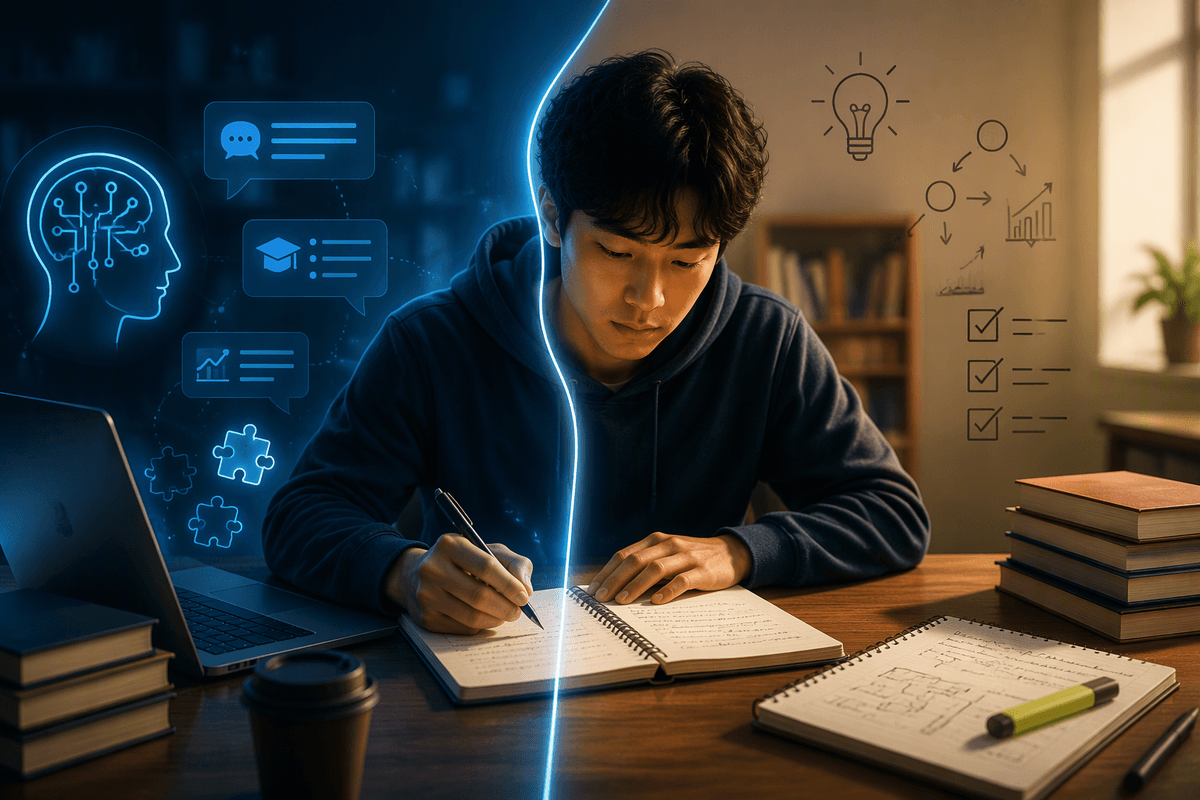
Impact
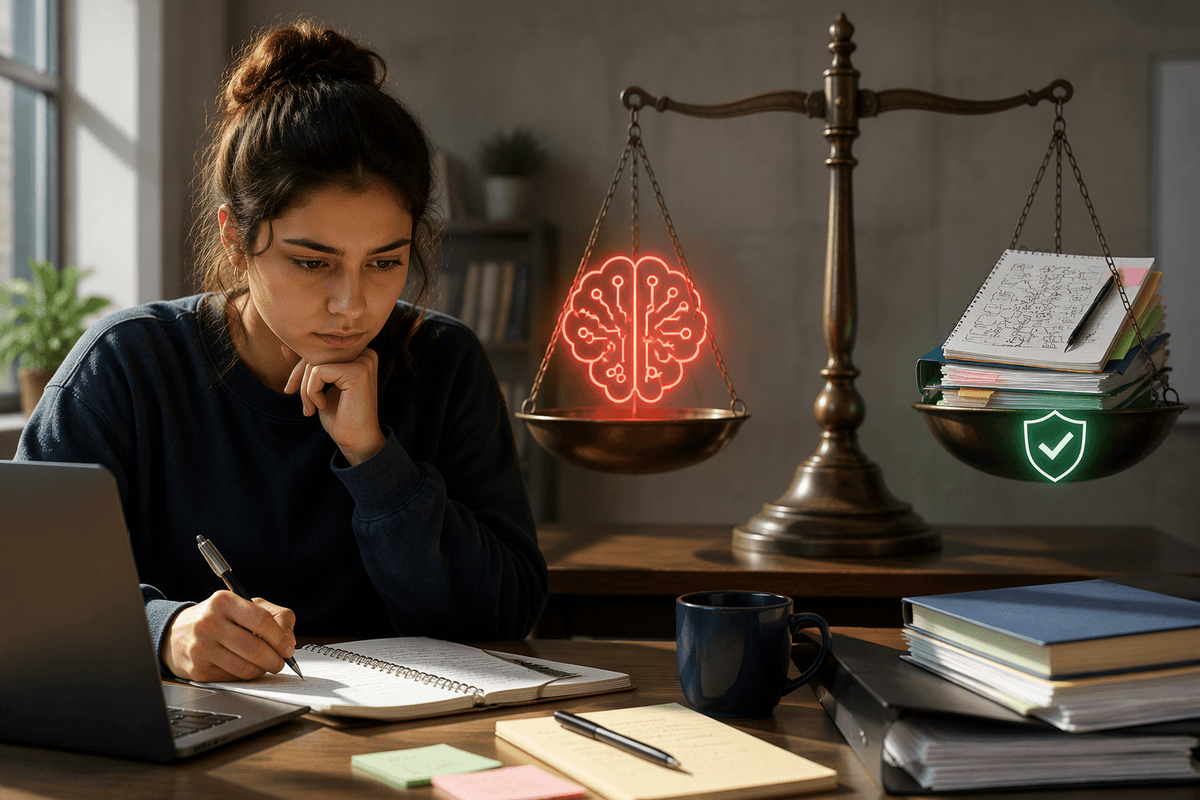
AI in University Courses: What Students Gain and What They Risk Losing
AI in university courses can speed learning, but risks skill loss, hallucinated research, integrity and privacy issues—use it as training wheels.
Impact
The Consequences of AI Misuse Allegations for Students and Academic Integrity
Learn why AI misuse allegations are rising, what students lose immediately, why detector scores aren’t proof, and how to document work and navigate due process.

Technologies
Federated Learning Trains AI Across Devices Without Centralizing All Raw Data
Federated learning trains models on-device by sharing updates instead of raw data. Learn cross-device vs cross-silo setups, privacy tradeoffs, and ops.
Technologies
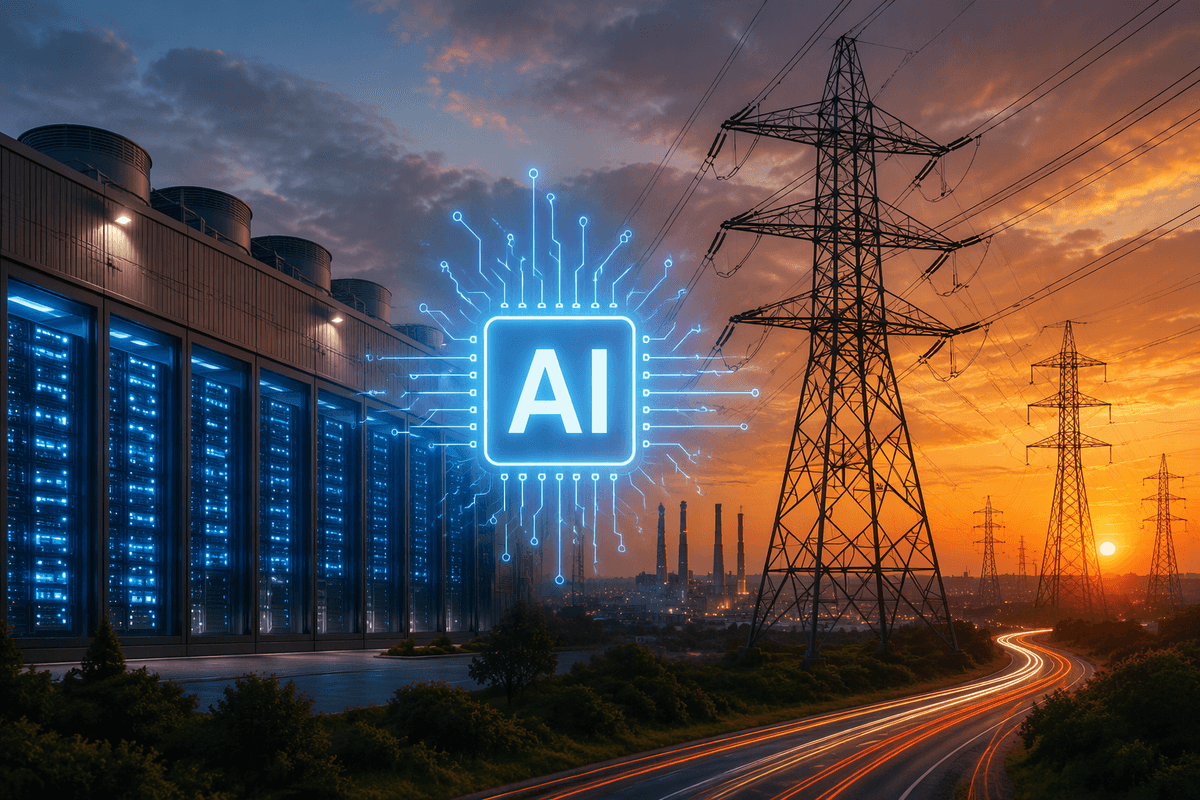
AI Data Centres, Electricity Use and the Pressure on Power Grids
Learn how AI data centres drive rapid, localized electricity demand, stressing substations and transmission, affecting reliability, prices, and clean power claims.

Applications
Midjourney Prompts for More Controlled AI Art
Midjourney prompts for more controlled AI art: separate subject, scene, and style, use camera framing, and tune --seed, --ar, --stylize, and --chaos.

Applications
How Legal AI Assistants Help Lawyers With Everyday Work
Learn how legal AI assistants speed up lawyers’ everyday work—research, drafting, contract review, intake, and admin—while managing verification and confidentiality.

Applications
Predicting Great Lakes Water Levels With AI
Learn how AI can predict Great Lakes water levels using weather, runoff, evaporation and ice data, with baselines, validation, and uncertainty.
Applications
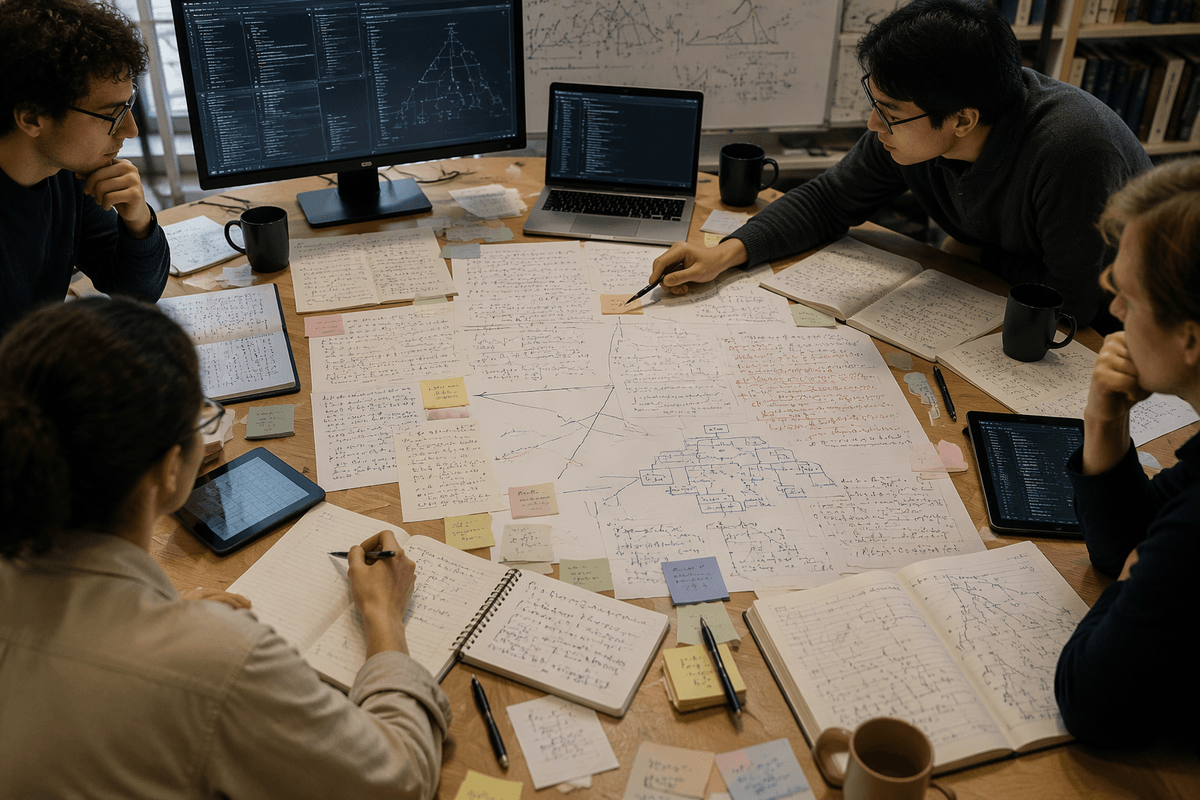
This Startup Wants to Change How Mathematicians Do Math
How an AI-powered math workspace could connect conjectures, computations, and proof assistants while preserving rigor, provenance, and uncertainty.

Impact
Poor Creative Decisions Have More Than One Cause
Learn why poor creative work often comes from decision systems—briefs, biases, constraints, and process gaps—and how to fix them early.