Why AI data centres suddenly matter to grids
A familiar pattern is showing up in communities that thought they had “enough power”: a cluster of new data centres arrives, and the local utility’s planning assumptions stop matching reality. It isn’t just that AI uses a lot of electricity in total. It is that large facilities can add demand quickly, run around the clock, and concentrate that demand on specific substations and transmission corridors that were sized for slower, steadier growth.
Grids are built to meet peaks, not annual averages, and the most expensive stress shows up when many loads compete for the same hours and the same wires. A single site can require upgrades that take years, while developers want capacity now. That mismatch—fast load growth versus slow permitting, equipment lead times, and interconnection queues—is why AI data centres suddenly matter to grid reliability and prices.
What electricity use looks like inside AI facilities
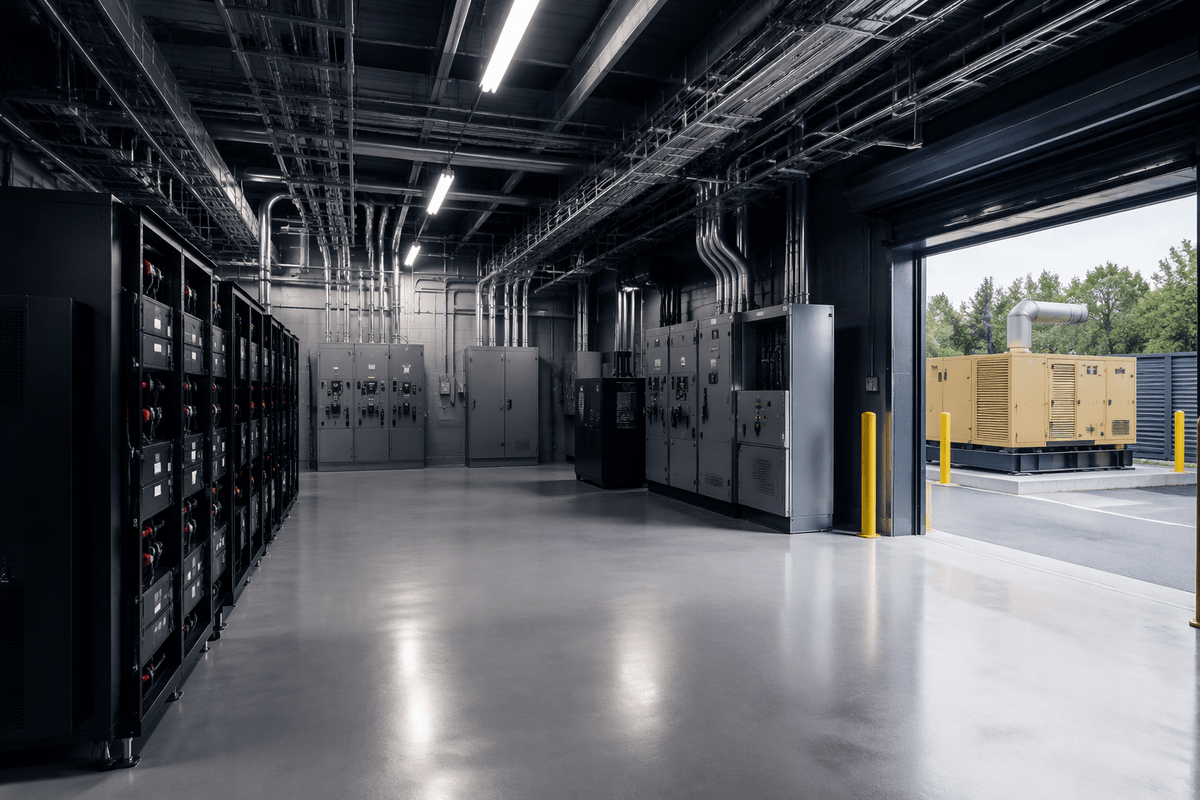
Picture a warehouse-sized building that behaves less like an office and more like a small factory: rows of servers and networking gear drawing steady power, plus a second layer of electricity use just to keep the first layer usable. The “IT load” is the computing itself. The overhead is cooling, fans, pumps, and power conversion equipment that turns grid electricity into the voltages chips can actually use. How efficiently a site handles that overhead can vary widely, so two facilities with the same computing capacity can place very different demands on the grid.
AI changes the shape of the load inside the building. Training runs can push clusters hard for days or weeks, while inference can spike with user activity. Either way, operators design for high utilization and tight reliability targets, so they add redundancy: multiple power feeds, battery systems, and usually on-site generators for backup. Those protections help the data centre, but they can increase the size and complexity of the grid connection the community must accommodate.
Why the grid strain shows up in specific places
Think about where these facilities actually plug in. A regional grid can look “fine” in aggregate while a single substation, feeder, or transmission path becomes the bottleneck for an entire county. Data centres tend to cluster near cheap land, strong fiber routes, tax incentives, and predictable permitting. That often means the same handful of industrial parks and the same existing high-voltage interconnections get hit with multiple large requests at once, even if the broader state has plenty of generation on paper.
The strain also shows up where the grid is hardest to expand quickly. Transformers, breakers, and high-voltage lines have long lead times, and upgrades trigger studies, right-of-way negotiations, and local opposition. Meanwhile, interconnection queues can stack new loads behind delayed generation projects, so capacity that “should” be coming online is not actually deliverable yet. Add constraints like urban congestion, limited transmission into fast-growing metros, or weak ties between regions, and you get a very local problem: not a national shortage of electricity, but a shortage of deliverable power at specific nodes during the hours that matter.
Reliability and price impacts: who feels it first
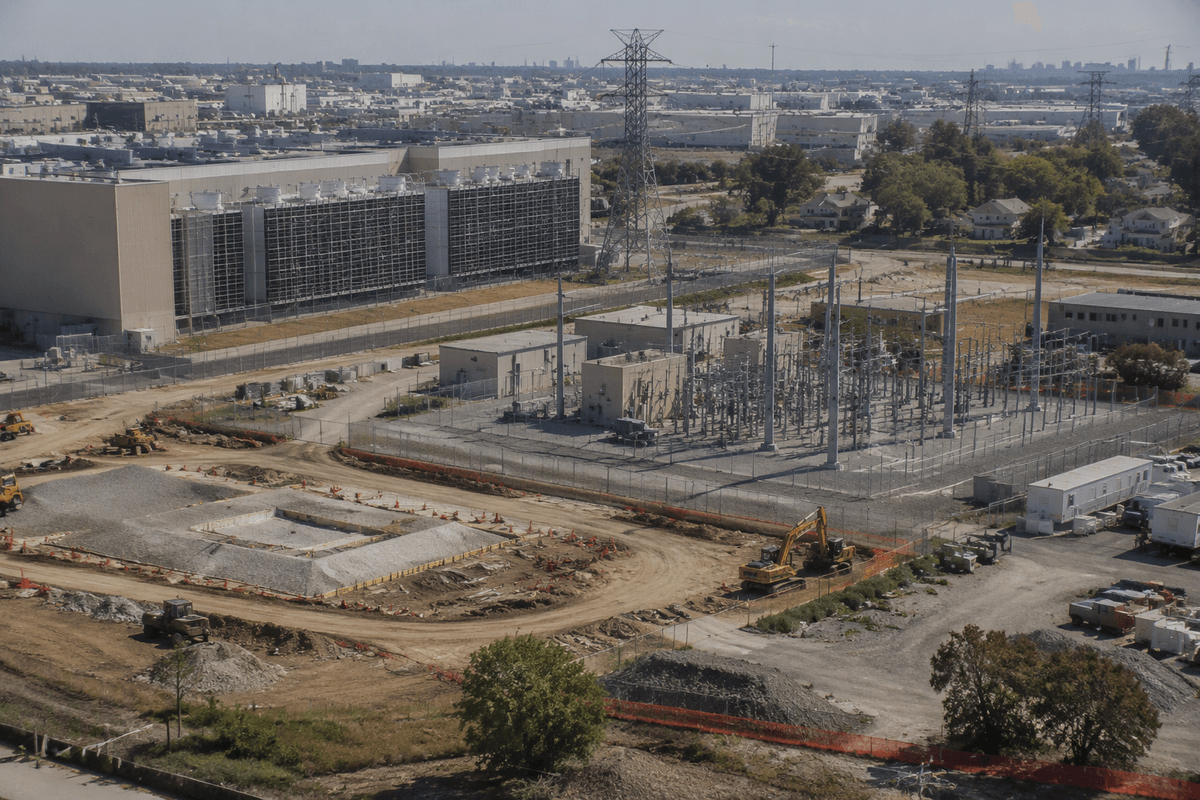
The first signs usually look mundane: a utility quietly tightens how much new load it will approve on a feeder, asks large customers to accept curtailment language, or schedules more maintenance outages because equipment is running hotter. Residential customers often don’t lose power first, but they feel the knock-on effects when the system has less “spare” capacity. A single stressed substation can also force operators to reroute power, which raises the risk that a separate contingency—an unexpected plant trip or a summer heat wave—turns into a broader reliability event.
Price impacts show up fastest where utilities must buy power during peak hours or accelerate upgrades. Even if a data centre pays for its direct interconnection work, the wider network reinforcements and capacity procurement can be socialized across ratepayers, depending on local rules. Large industrial customers may see new demand charges or special contracts first, while small consumers notice it later as higher base rates. Transformers, switchgear, and transmission builds can take years, while load arrives in months.
Ways to reduce grid pressure without slowing AI
A common choice point for operators is whether every workload must run “right now.” Many AI tasks can be scheduled, paused, or moved without users noticing, especially training and batch analytics. Utilities and regulators can encourage contracts where data centres earn lower rates for agreeing to reduce load during local peaks or emergencies, backed by clear telemetry and penalties for non-performance. The practical challenge is that curtailment has to be predictable enough for grid planners while still fitting business deadlines.
Inside the fence, efficiency still matters because it reduces both peak and constant draw. Better cooling design, higher-temperature operation, and right-sizing redundancy can cut overhead without cutting compute output. Batteries can also be used for short peak-shaving, not just ride-through, but that shifts cost onto the operator and requires careful controls.
Finally, adding supply near load can relieve specific bottlenecks. On-site generation or contracted clean firm power can help, yet fuel logistics, emissions limits, and permitting can slow deployment. Grid upgrades remain necessary, but pairing them with flexible load reduces how much “build for the peak” expansion is needed.
Clean power claims vs real-time grid reality
A data centre can honestly say it is “100% renewable” and still increase fossil generation on the local grid in the hours that matter. The difference is accounting versus physics. Annual renewable energy credits and long-term contracts can match a facility’s yearly consumption on paper, while the facility’s real-time draw is met by whatever generators are on the margin at that moment. If the local system is constrained and peaks in late afternoon, the incremental power can come from gas peakers even when the operator is buying wind from another region.
This gap widens when clean projects are stuck in interconnection queues or when transmission limits prevent low-carbon power from reaching the specific node where the data centre connects. Operators may also run diesel backup generators for testing or during grid events, which is small compared to total annual energy but locally visible and politically sensitive. The practical takeaway is to ask not just “Is it matched annually?” but “Is it matched hourly, deliverable locally, and firm during peaks?” Claims that include load shifting, 24/7 matching, or clean firm supply generally line up better with grid reality, but they cost more and can take longer to secure.
Practical takeaways for utilities, policymakers, and communities
When a new project is proposed, treat “megawatts” like a road impact study: ask for peak demand, ramp rates, expected curtailment capability, and which substation and transmission path will serve it. Utilities can protect reliability fastest by offering tariffs that pay for flexibility (verifiable load drops, battery discharge, or workload shifting) and by making upgrade and interconnection timelines explicit so developers price in delays.
Policymakers can shorten bottlenecks by standardizing permits for substations, lines, and clean firm resources, while setting clear rules on who pays for network upgrades. Communities should push for transparent reporting on generator testing, local air impacts, and whether “clean” claims reflect hourly, deliverable power—not just annual accounting.