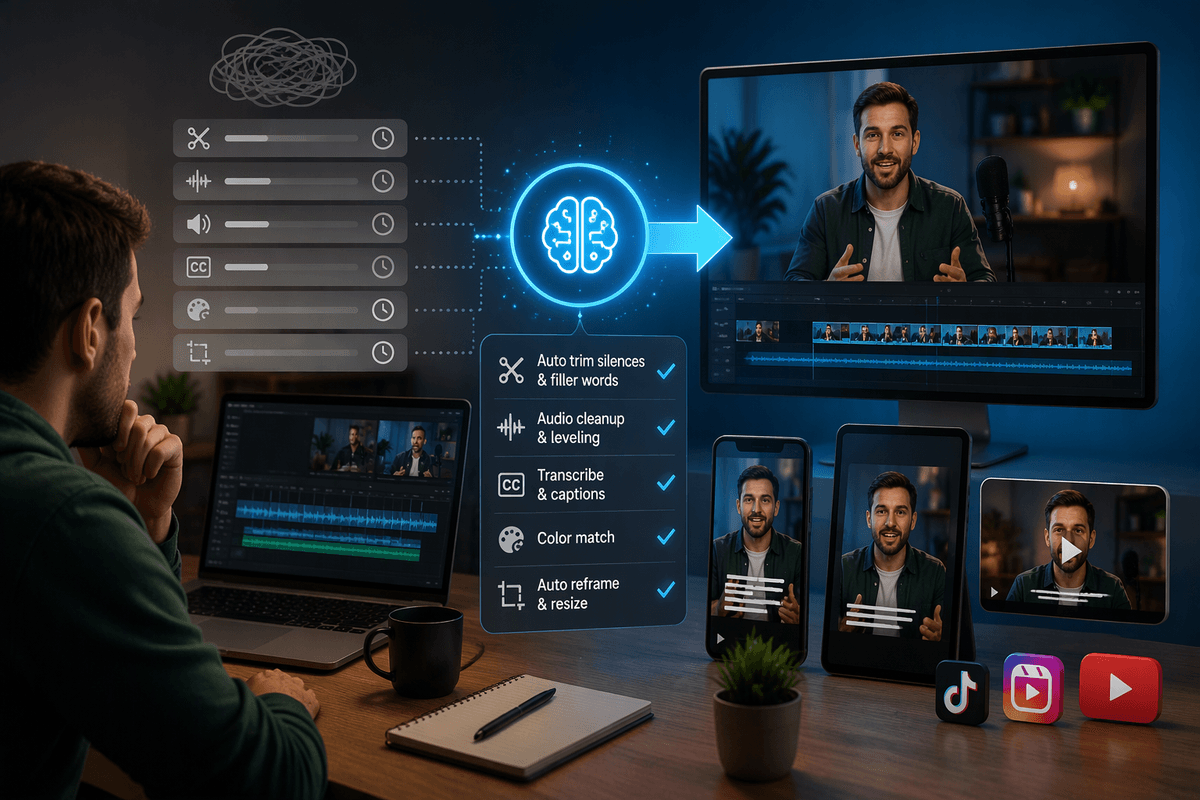
A familiar voice, a new kind of risk
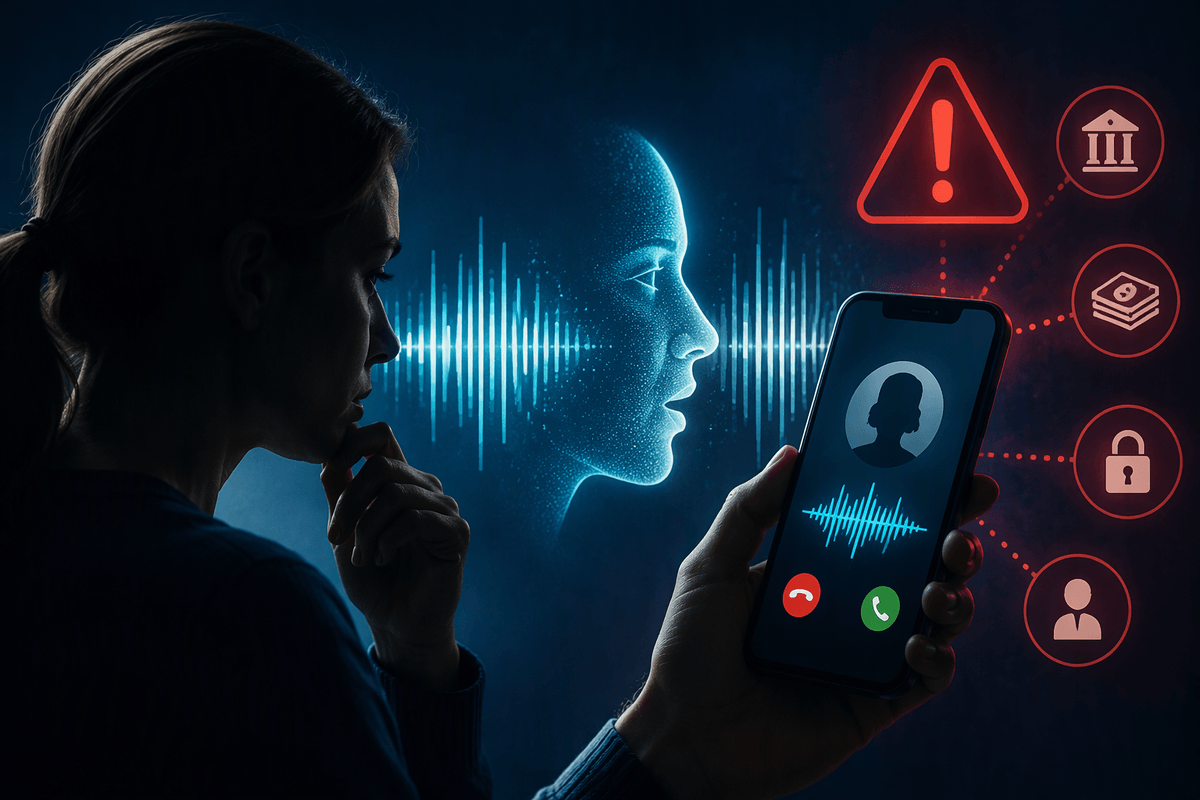
You pick up a call from an unfamiliar number, but the voice is your boss, your partner, or your mom. The request is simple: wire money, share a code, confirm a login, keep it quiet. Most people don’t evaluate a familiar voice the way they evaluate a strange email, because the signal that usually means “safe” is already there.
Voice cloning shifts the risk from “can they guess my password?” to “can they sound like someone I trust?” The fraud can be brief and ordinary, and the cost of verifying can feel awkward or slow when the moment is urgent.
How voice cloning got easy enough to misuse
A few years ago, convincingly cloning a voice required studio-quality recordings, specialized expertise, and enough time that most scammers couldn’t justify the effort. That barrier has dropped. Many tools can learn the “shape” of a voice from short clips pulled from a podcast, a livestream, a voicemail greeting, or a video posted publicly. Once a model has that reference, generating new lines becomes fast, cheap, and repeatable, which matters more to misuse than perfect realism.
The real change is packaging. Voice cloning is often presented as a simple workflow—upload audio, type text, get speech—so the person operating it doesn’t need to understand how it works to cause harm. It still struggles with noisy inputs, unusual emotions, or long conversations, but scams rarely need a long performance. A crisp 10-second request can be enough.
Consent: whose voice is it, and when
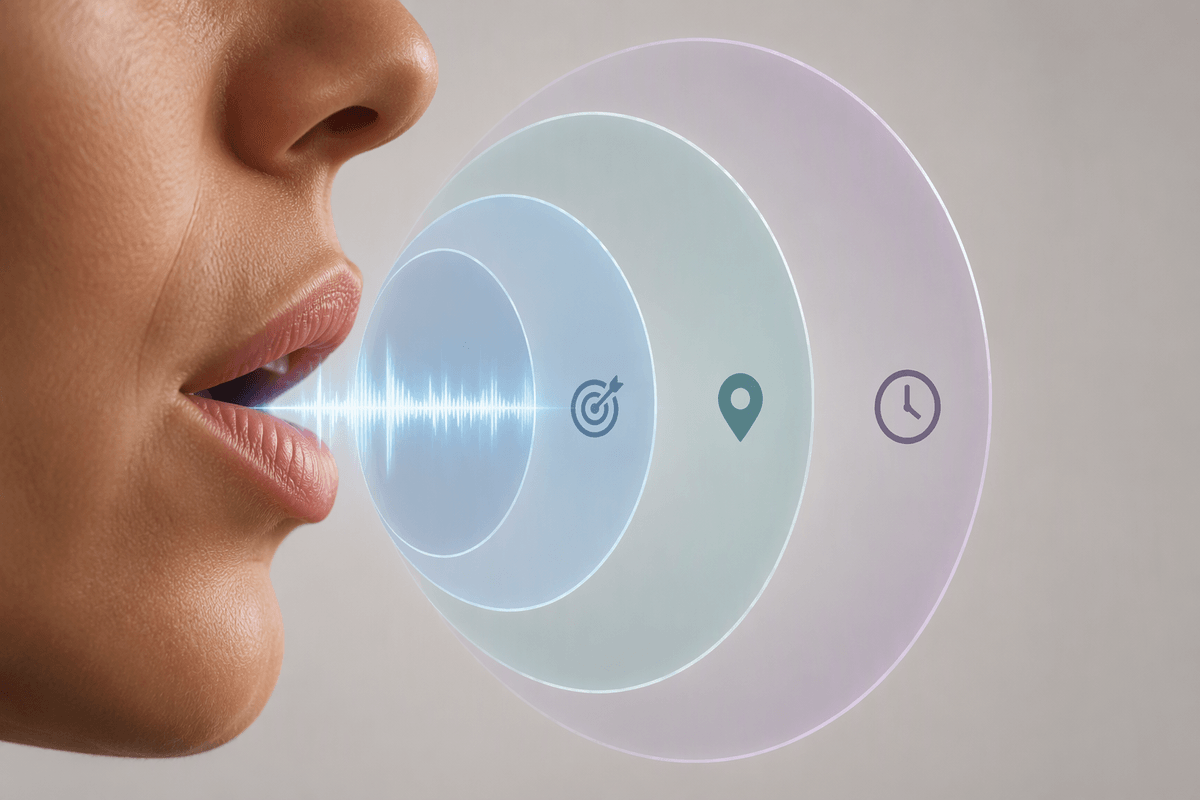
The creator records a podcast intro and later finds the same voice “narrating” an ad they never approved. The clip was public, but public is not the same as permission. Consent for voice cloning needs to be specific about purpose (what it will say), scope (where it can appear), and duration (how long the model or outputs can be used). A one-time “yes” to make an audiobook sample is not the same as an open-ended right to generate new speech indefinitely.
It also matters who can authorize it. For employees, “we need this for training” can blur into surveillance or HR use. For families, a relative might think they’re helping with accessibility while exposing someone to impersonation. Even when consent is real, it should be reversible in practice: deletion requests, clear labeling, and limits on re-use. Enforcing those terms can be slow, expensive, and inconsistent across platforms.
Misuse scenarios that don’t feel hypothetical
A common misuse is “last-mile” impersonation: the scammer already has context from a data leak or social media, and the cloned voice is only used to push one action over the line. Think payroll changes (“I’m traveling—update my direct deposit”), school pickup authorization, customer support (“I lost my phone—reset my 2FA”), or a panicked family call that asks for gift cards. These attempts don’t require a long conversation, just a familiar voice plus a believable reason you shouldn’t verify.
Another pattern is reputational sabotage. A short, clean audio clip of a public figure, teacher, or coworker can be edited into a “quote” that never happened, then circulated as if it were leaked. Even when it’s disproven, the damage often lands first, and the correction arrives late.
There are limits scammers work around: imperfect emotion, odd pacing, and trouble handling interruptions. They compensate by keeping the call brief, claiming bad reception, or moving you to text for the final steps.
Detection and verification: what helps, what fails
Most people look for a “deepfake tell” in the sound—robotic cadence, strange breaths, missing room tone. Those clues sometimes show up, but they’re unreliable because the attack doesn’t need perfection. A scam call can be short, emotionally loaded, and framed as a bad connection, which makes odd pacing or glitches feel normal. Even strong listeners can’t consistently authenticate a voice when the stakes are high and the script is designed to rush them.
Verification works better than detection, because it treats the audio as untrusted by default. Simple habits outperform fancy analysis: hang up and call back using a saved number; confirm via a second channel you already use; require a shared phrase that isn’t public; move any money, account, or HR change into a documented workflow. People worry about seeming rude, and organizations resist adding steps that slow support or payroll. Still, the most dependable signal is not “does this sound real?” but “can this request survive an independent check?”
Rules and responsibility: platforms, creators, employers
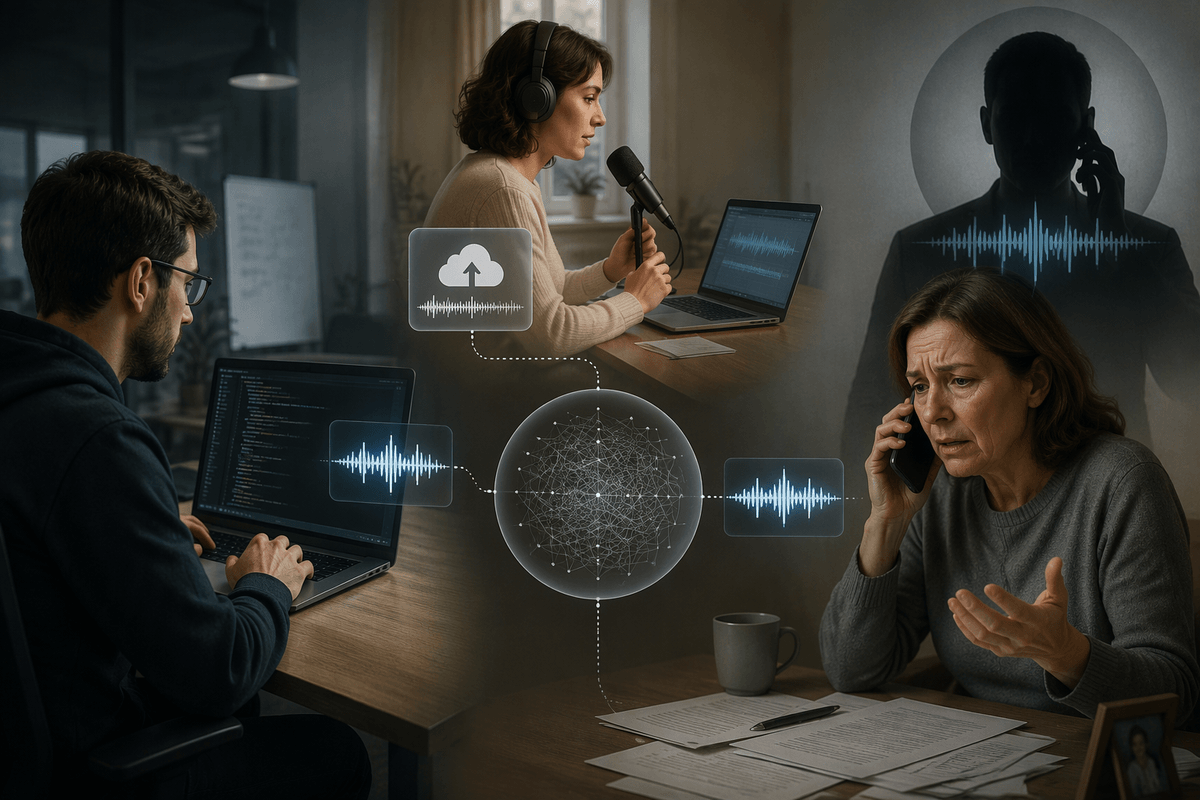
A realistic problem is that responsibility is split: the tool maker can say “we just provide software,” the uploader can say “the clip was public,” and the victim is left proving harm after the fact. Platforms can reduce abuse by requiring clear proof of permission for high-risk uses, limiting who can generate “your voice” without a verified relationship, and adding durable disclosure so synthetic audio isn’t treated like ordinary recording. None of this is free. More checks mean more false rejections, more customer support, and slower workflows for legitimate creators.
Creators and publishers also set norms. If you use a synthetic voice—even your own—label it consistently, keep consent terms in writing, and store the source recordings like you would passwords: not publicly, not casually shared, and not reused across projects without review. Employers have an extra duty because power isn’t equal. A policy that allows voice models for training should also ban them for evaluation, discipline, or monitoring, and it should require a non-voice verification step for payroll, access, and approvals.
A practical checklist for protecting your voice
You can’t stop people from hearing your voice, but you can reduce how easily it becomes a credential. Keep public samples short and avoid posting clean, isolated phrases (names, numbers, “yes,” “I authorize”). For high-trust relationships, agree on a simple call-back rule and a private challenge question that isn’t guessable from social media. Treat any urgent request to move money, change payroll, or reset access as suspicious until verified through a saved number or a second channel. If you use voice tools, get consent in writing, label outputs, and keep source recordings stored privately. The trade-off is friction and slower approvals.