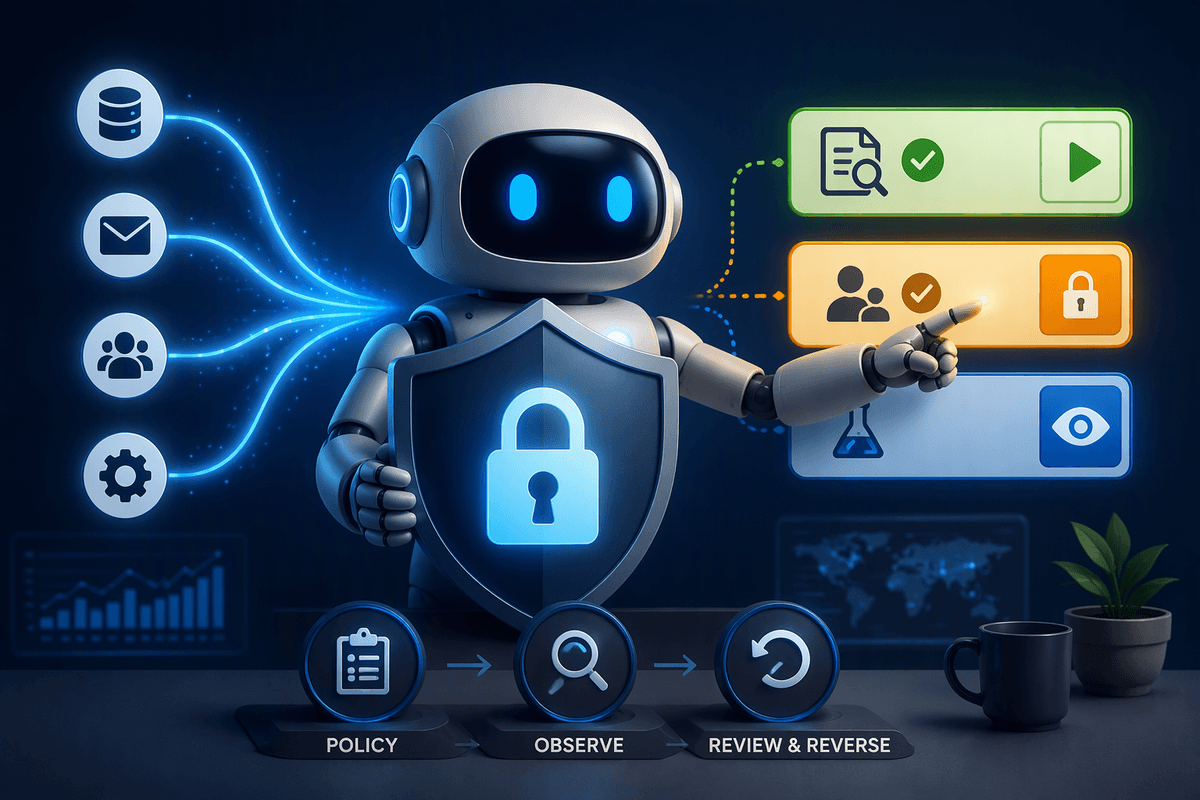
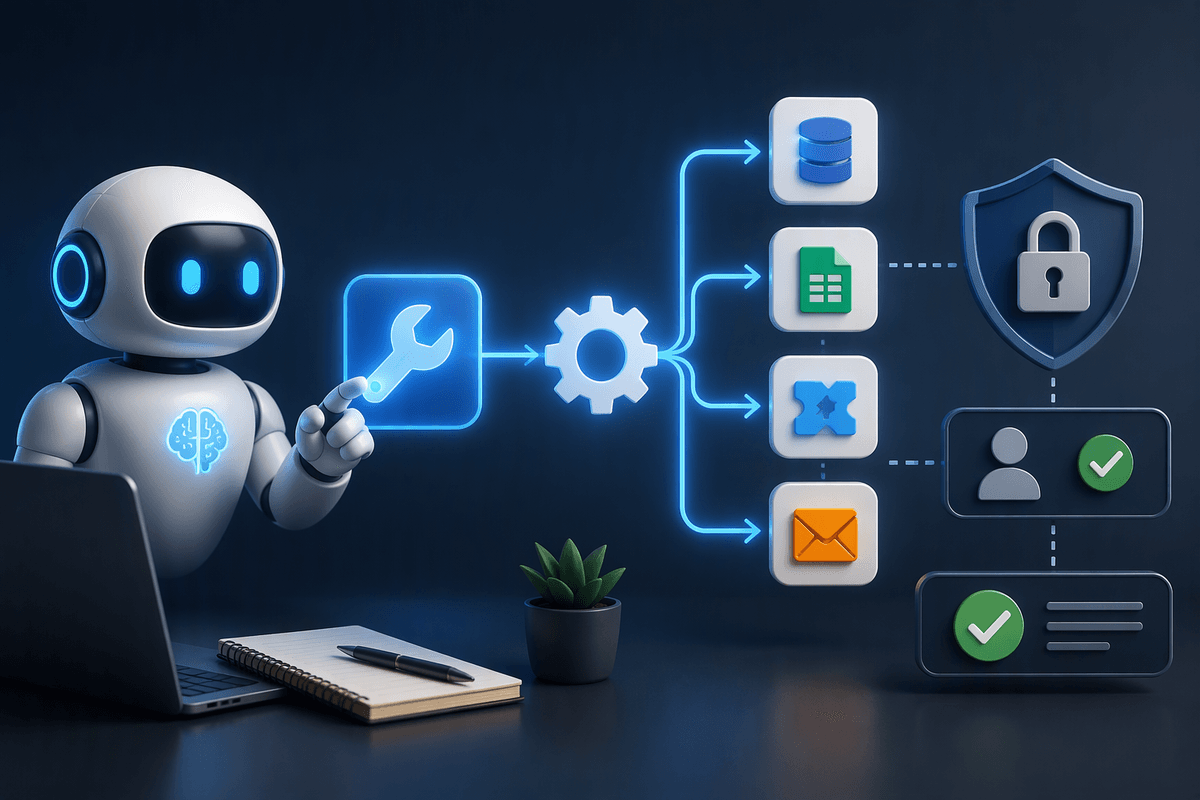
Why AI misuse allegations are suddenly common
You can do ordinary work—clean sentences, tidy structure, fewer typos—and still get a raised eyebrow because those same traits are now associated with AI output. Instructors are also seeing a real shift in volume: more students are using tools for drafting, paraphrasing, coding help, and study guides, sometimes without realizing that a “small assist” can violate a course rule. At the same time, policies are changing quickly, and different classes treat the same behavior differently, which creates confusion and inconsistent enforcement.
Allegations rise when expectations and evidence don’t line up. A paper that doesn’t match earlier writing, a sudden jump in sophistication, missing drafts, or odd citation patterns can trigger suspicion even if the work is legitimate. Detection tools add another accelerant: they’re easy to run, but they don’t produce reliable proof on their own, so borderline cases get escalated. The practical constraint is time—when instructors are overloaded, a shortcut signal can become the starting point for a formal complaint.
When suspicion hits: what students lose immediately
A suspicion can land before anyone has “proven” anything, and the first losses are often procedural, not moral. A grade may be paused as an “incomplete,” a submission can be flagged for review, or an instructor may stop giving feedback while the assignment is treated as potential evidence. In group work, teammates can be pulled in, and a lab, code repo, or document history may be frozen or requested, which can disrupt other deadlines.
The personal impact is immediate too: anxiety spikes, planning gets harder, and students often feel pressured to explain themselves quickly without understanding the rules. Practical costs show up fast—time to gather drafts and screenshots, missed work shifts for meetings, and the risk of saying something sloppy in a first email that later reads like an admission. Even when the outcome is “no violation,” the disruption can be real.
Evidence problems: detection tools versus real proof
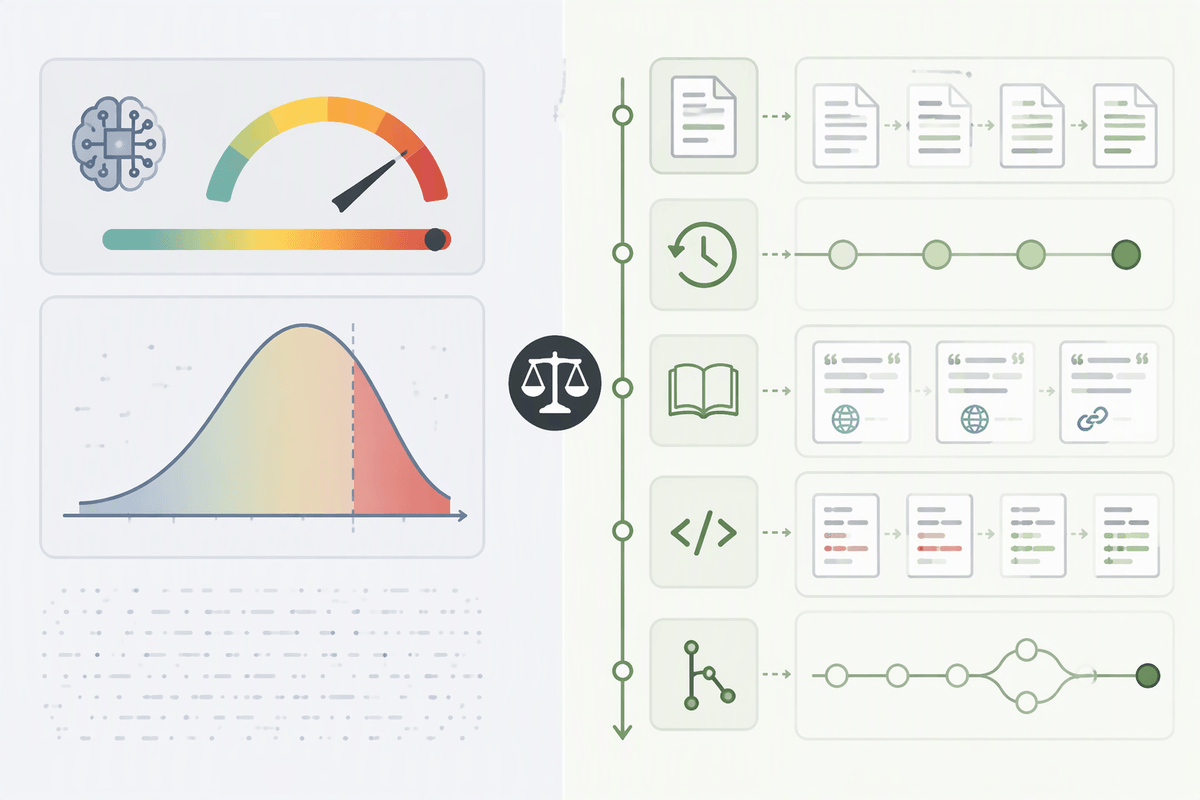
A familiar moment: an instructor says a detector “came back high,” and the conversation quietly shifts from your actual work to a score you didn’t generate. The core evidence problem is that detection tools usually infer patterns rather than prove authorship. A polished paragraph, consistent grammar, or a topic you’ve written about before can look “machine-like,” while lightly edited AI text can pass as human. That mismatch creates false confidence on both sides: a number feels objective even when it’s only a probability guess.
Real proof tends to look more ordinary. Drafts that evolve over time, outlines, version history in Google Docs, a code repository with incremental commits, saved research notes, and consistent citation trails are stronger indicators of process than any single detector report. Instructors also have legitimate signals: sources that don’t exist, citations that don’t support claims, or explanations a student can’t reproduce under questioning. The practical constraint is documentation burden—students who write offline, don’t save drafts, or use shared devices often have less to show even when they did the work honestly.
Due process in practice: meetings, statements, timelines
You may be asked to meet quickly, sometimes with little detail beyond “academic integrity concern.” Treat the first meeting like a fact-finding interview, not a debate. Ask what policy is being applied, what specific parts of the work are questioned, and what evidence is being relied on (including any detector output, drafts requested, or comparison samples). If you’re allowed to bring an advisor, support person, or union rep (for graduate employees), do it; if not, ask whether the meeting can be recorded or whether you can take notes.
Written statements matter because they become the durable record. Keep yours narrow: how you worked, what tools you used (and for what), what you did yourself, and what files or history you can provide. Avoid guessing, apologizing “just in case,” or offering extra theories that create new inconsistencies. Timelines vary by campus, but delays are common; follow up in writing after each step, and ask for deadlines, appeal windows, and the status of any grade hold so the process doesn’t silently stretch past withdrawal or scholarship dates.
Long-term fallout: records, references, and trust
A common surprise is that the consequences don’t end when the grade posts. Depending on your school’s policy, a finding can trigger a notation in an internal conduct system, restrictions on dropping the course, probation, or limits on leadership roles and study-abroad eligibility. Even when there is no formal transcript mark, an “integrity violation” can affect scholarship renewals, departmental awards, or licensing paperwork later, because those processes often ask about disciplinary history. The practical difficulty is that records can outlast the instructor and the semester, and clearing or sealing them may require a separate petition with deadlines you can miss while focused on classes.
References are another long tail. Faculty who believe a violation occurred may decline to write letters, or may write cautious ones that quietly reduce opportunities. Even in a no-violation outcome, trust can weaken if communication was rushed or defensive, so keeping a clean paper trail of drafts, tool use, and meeting notes isn’t just for the case—it helps rebuild credibility in the courses and labs you’ll rely on next.
Reducing false accusations without ignoring real cheating
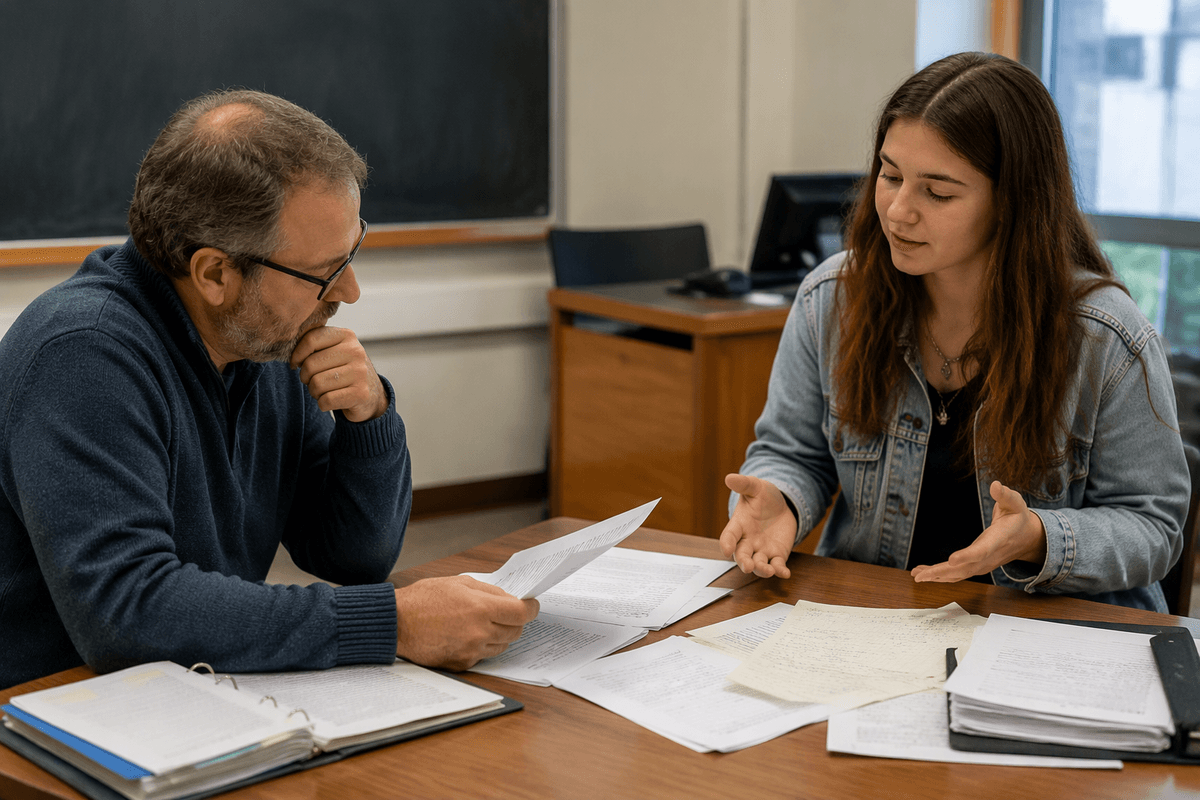
A typical tension on campuses now is that instructors need a workable way to deter real outsourcing, while students need a process that doesn’t treat “sounds too polished” as misconduct. The most practical middle ground is to shift from “detect the author” toward “verify the work.” That means grading with more visible process: required outlines or checkpoints, short in-class writing tied to the same topic, oral spot-checks where a student explains key choices, and assignment prompts that demand local context, course-specific readings, or personal data sets that are hard to fabricate. Those steps won’t stop every form of cheating, but they create evidence that’s harder to fake and easier to evaluate than a detector score.
Students can reduce risk by building a simple audit trail without turning school into surveillance. Save drafts, keep research notes, and use tools in ways you can describe plainly (for example, “brainstormed examples,” “fixed grammar,” “generated practice questions”), then apply the same rule to citations and data: if you can’t reproduce it, don’t submit it. The cost is time and friction—extra checkpoints and documentation add workload for everyone—so the goal is consistency: clear course rules, predictable expectations, and proof that comes from the work’s development, not vibes.
A practical path forward for students and faculty
A student who wants to avoid trouble can treat AI use like a lab procedure: follow the course rule, keep a short “methods” note for each assignment, and retain the artifacts that show development (drafts, doc history, research notes, commit logs, and the exact prompts or settings when policy allows). If accused, slow the pace: ask for the specific policy, the questioned passages, and what evidence is being used, then respond with a timeline and supporting files rather than arguments about fairness.
Faculty can lower conflict by writing narrow, concrete boundaries (what tools are allowed, for which steps, and what disclosure looks like) and grading for process with lightweight checkpoints. The trade-off is real: more structure takes time, but it replaces detector guesswork with work students can actually demonstrate.